
ABB System Pro: modular overcurrent protection devices for low-voltage electrical systems
Need Miniature Breakers?
Get Mini Breaker Quote- Introduction to ABB System Pro M Modular DIN-Rail Mini Breakers (UL489)
- What Are ABB System Pro M Miniature Circuit Breakers?
- Understanding UL489 DIN-Rail Mini Breakers
- Modular Branch Circuit Protection with ABB
- Why Thermal-Magnetic Breaker Trip Curves C K Z Matter
- How to Select the Right Breaker
- Installation Tips for Contractors
- Table – 10 Popular ABB System Pro M Models
- Real-World Benefits You’ll Notice
- When Should You Use System Pro M Breakers?
- Final Thoughts
- FAQ
- Glossary
Industrial Power Distribution • Switchgear • Protection
Introduction to ABB System Pro M Modular DIN-Rail Mini Breakers (UL489)
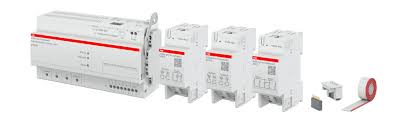
ABB System Pro M micro miniature circuit breakers are especially helpful for branch circuits, control panels, and commercial distribution boards. These ABB modular breakers feature UL-listed performance, flexible installation, and dependable overcurrent protection in a single streamlined solution designed for contractors and end users.
In this guide, you’ll learn what makes these ABB breakers special, how they work, and how to select the right model for your application.
What Are ABB System Pro M Miniature Circuit Breakers?
ABB System Pro M tiny circuit breakers are modular overcurrent protection devices designed specifically for low-voltage electrical systems. They are designed to fit on regular DIN rails, so you can install them quickly without needing sophisticated hardware or panel adjustments. This flexible design saves space, simplifies wiring layouts, and lets you simply scale your system as your electrical requirements increase.
You’ll see these breakers used in:
- Commercial panelboards
- Industrial control panels
- OEM machinery systems
- Building distribution boards
- Backup power systems
Since they’re modular, you can mix and match accessories such as auxiliary contacts, shunt trips, and busbars, letting you customize protection how your installation requires.
Understanding UL489 DIN-Rail Mini Breakers
If you are selecting protective equipment in North America, certification is important. UL489 DIN-rail micro breakers have been tested and listed to meet demanding safety and performance requirements for branch circuit protection. This means that when you install these ABB mini circuit breakers, you can be sure that it will safely and reliably interrupt fault currents.
UL489 Certification Benefits:
- Verified short-circuit interruption capability
- Reliable overload protection
- Compliance with electrical code requirements
- Safe operation under fault conditions
Contractors or facility managers appreciate fewer liability concerns and more confidence that their system will perform exactly as intended.
Modular Branch Circuit Protection with ABB
Flexibility is one of the most important benefits of ABB’s modular branch circuit protection systems. Instead of placing large molded-case breakers everywhere, use small MCBs that provide exact protection for individual loads.
System Pro M breakers are available in multiple configurations:
- 1-pole for single circuits
- 2-pole for 240 V loads
- 3-pole for three-phase systems
- 4-pole for neutral-included protection
Ampere ratings typically range from fractional loads up to 63 amps, giving you the versatility to protect lighting circuits, receptacles, control circuits, motors, and instrumentation panels — all within the same product family.
Why Thermal-Magnetic Breaker Trip Curves C K Z Matter
Not all loads respond equally. Motors, transformers, and electronic devices generate distinct current patterns. That’s why thermal-magnetic breaker trip curves C K Z exist; they determine how soon a breaker trips when current exceeds standard levels.
Here’s how they help you choose:
- Curve C – Ideal for general-purpose circuits such as lighting and receptacles
- Curve K – Designed for high-inrush loads like motors and transformers
- Curve Z – Sensitive protection for electronics and control circuits
Choosing the correct trip curve means your breaker trips only when it should — not during normal startup surges.
How to Select the Right Breaker
When you’re selecting a breaker, focus on matching its ratings to your system requirements. Key factors include:
- Voltage rating
- Current rating
- Interrupting capacity
- Pole configuration
- Trip curve type
You’ll also want to consider environmental conditions such as ambient temperature and enclosure type. Proper sizing prevents nuisance trips while still protecting conductors and equipment from damage.
Installation Tips for Contractors
Installing DIN Rail overcurrent protection for contractors is straightforward, but a few best practices make your job easier:
- Snap breakers firmly onto the rail until fully seated
- Verify torque specs for terminal connections
- Label each circuit clearly
- Use compatible busbars for multi-breaker setups
- Leave space for future expansion
Because System Pro M breakers are modular, you can replace or upgrade individual units without removing the entire assembly — saving time during maintenance or retrofits.
Table – 10 Popular ABB System Pro M Models
Representative commonly specified models across standard ratings and curves.
| Model Number | Description |
|---|---|
| S201–B10 | 1-pole, 10A, Curve B MCB |
| S201–B16 | 1-pole, 16A, Curve B MCB |
| S201–C20 | 1-pole, 20A, Curve C MCB |
| S201–C6 | 1-pole, 6A, Curve C MCB |
| S201–K6 | 1-pole, 6A, Curve K MCB |
| S202–C32 | 2-pole, 32A, Curve C MCB |
| S202–Z16 | 2-pole, 16A, Curve Z MCB |
| S203–B25 | 3-pole, 25A, Curve B MCB |
| S203–C40 | 3-pole, 40A, Curve C MCB |
| S204–C63 | 4-pole, 63A, Curve C MCB |
Looking for an ABB Circuit Breakers Catalog?
Real-World Benefits You’ll Notice
When you install these breakers, you’ll immediately see why contractors and panel builders rely on them:
- Compact footprint saves enclosure space
- Modular accessories simplify customization
- Clear ON/OFF indication improves troubleshooting
- Consistent performance across load types
- Reliable interruption of fault currents
For end users, the advantage is simple: safer systems and fewer unexpected shutdowns.
When Should You Use System Pro M Breakers?
You’ll find these breakers especially useful when:
- Panel space is limited
- Circuits require individual protection
- Equipment needs modular expansion capability
- Loads vary widely in characteristics
- Compliance with UL489 is required
They’re commonly specified in commercial buildings, OEM equipment, automation panels, and energy systems where reliability and flexibility are critical.
Final Thoughts
If you’re looking for a compact, reliable, and standards-compliant solution for branch circuit protection, ABB System Pro M miniature circuit breakers are a smart choice. Their modular design, UL certification, and wide selection of ratings make them adaptable to almost any low-voltage application you work with. Whether you’re wiring a control cabinet, upgrading a distribution panel, or designing a new installation from scratch, choosing UL489 DIN-rail mini breakers gives you confidence that your system is protected by equipment built for performance and safety.
FAQ
Glossary
DIN rail — A standardized metal rail used for mounting electrical devices (like breakers and relays) inside control panels and enclosures.
UL489 — A UL safety standard for branch-circuit-rated circuit breakers, verifying performance for overcurrent protection and fault interruption.
Interrupting capacity — The maximum short-circuit current a breaker can safely interrupt at a specified voltage without damage.
Trip curve — A breaker’s time-current response characteristic (how fast it trips at different overcurrent levels), used to match protection to the load.
Thermal-magnetic — A breaker trip mechanism that uses a thermal element for overloads and a magnetic element for short-circuit conditions.